
Choosing a Komodo dragon tour
A Komodo dragon tour is a ranger-led wildlife visit, with very different transport needs for travellers staying in Labuan Bajo and passengers arriving by cruise ship. Komodo and Rinca are islands within the national park between Sumbawa and Flores. Decide how you will reach the island before comparing the length of a walk: an island meeting point and a mainland hotel pickup describe different journeys.
The 10-hour speedboat day includes hotel pickup and drop-off, a guide, snorkeling equipment, a lunch box, drinks, snacks and seasonal fruit. Park entry is extra, paid onsite in cash. Choose the boat day for transport from your mainland base; choose a two-hour shore excursion when your cruise already brings you to Komodo. The Labuan Bajo day-trip guide explains the mainland departure format.
Komodo dragon visits
The day trip includes a speedboat, while the shore visits are for cruise guests already landing on Komodo. Follow ranger guidance and keep your distance from wildlife.
Hand-picked tours, booked through GetYourGuide and Viator. Prices are indicative starting prices in US dollars (as of November 2026). Tap a tour for live availability and the current price in your currency.
Komodo shore visit from the jetty
- Komodo National Park & Ranger Fee
- Lunch Box
- Snacks
For cruise guests landing on Komodo; the permit application is included, but access is not guaranteed.
Check availability →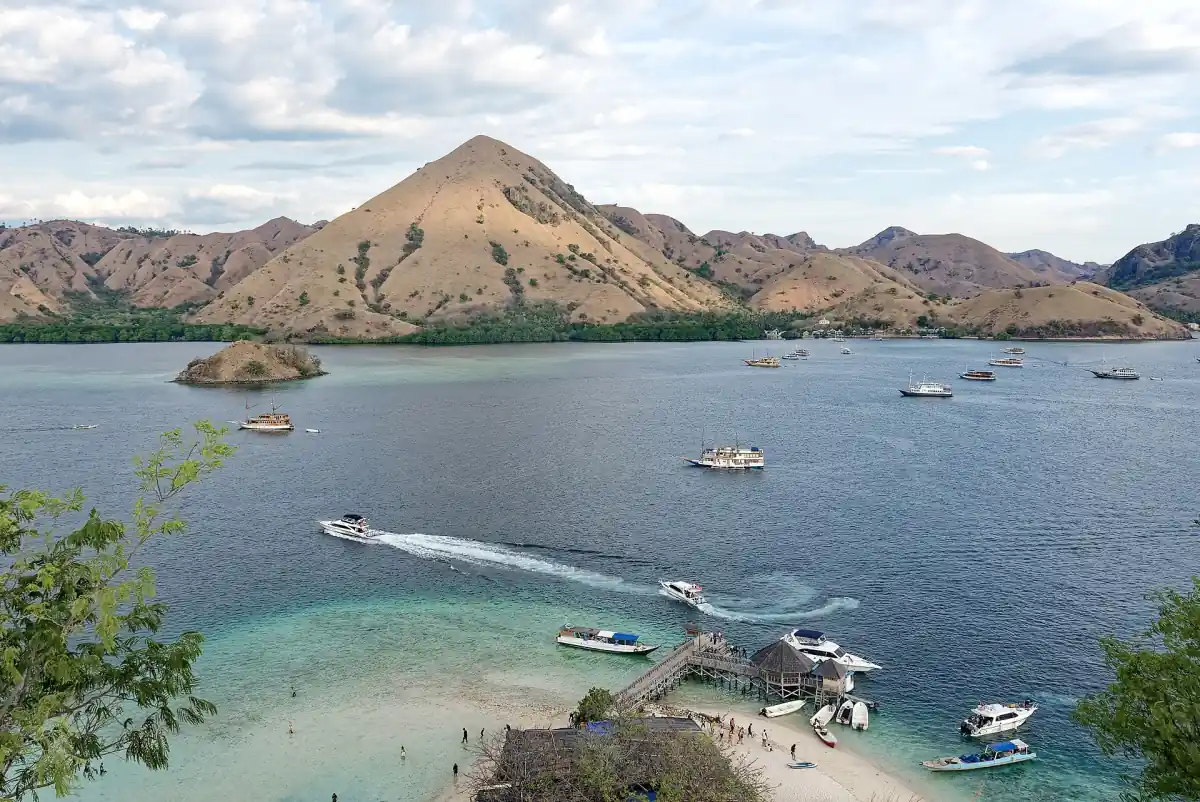
Komodo dragon and island day trip
- Snorkeling gear
- Lunch box
- Tour guide
National park entry is extra, payable in cash on site.
Check availability →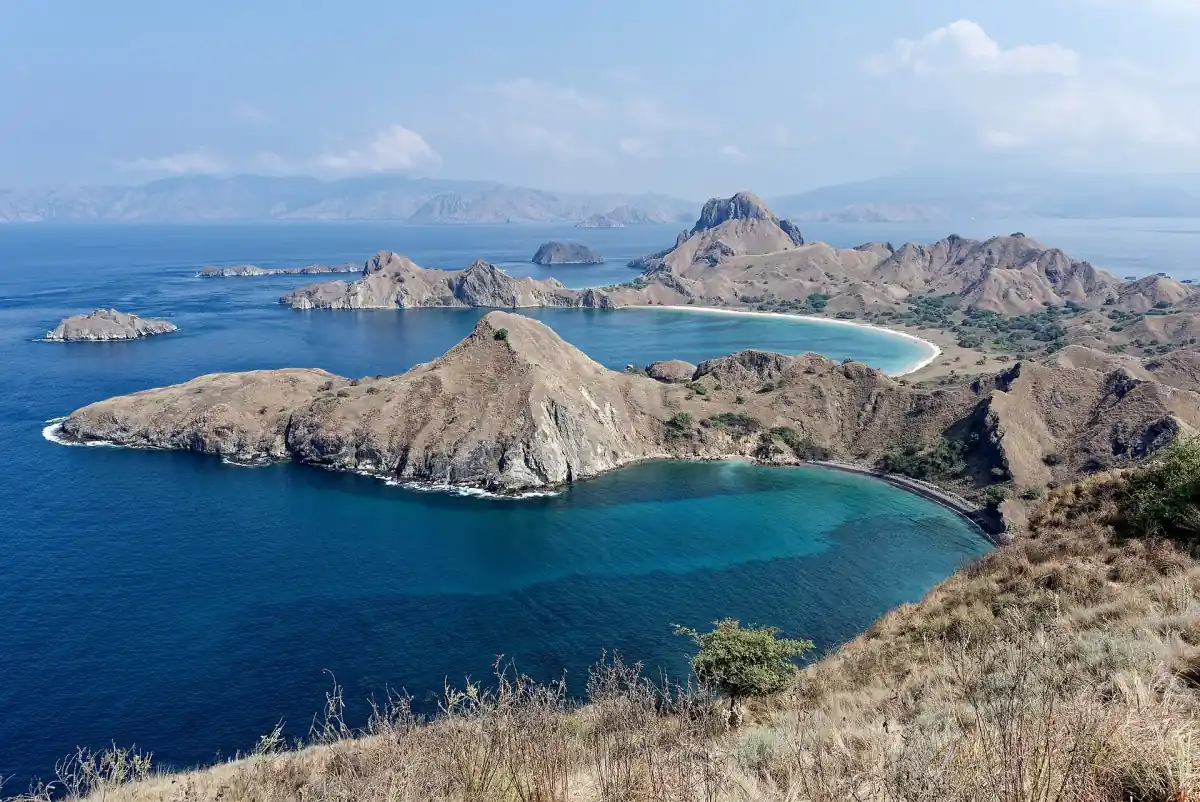
Komodo ranger office shore visit
- Ranger fee
- Tour guide
- Komodo National Park Entrance Fee
For cruise guests landing on Komodo; check the timing against your ship schedule.
Check availability →Trips for this visit
Ranger visits for cruise passengers begin on Komodo; the speedboat day adds hotel transfers, lunch and snorkeling, with park entry paid separately.
Komodo and Rinca have different ranger access points
Komodo has the Loh Liang ranger access area, while Rinca has Loh Buaya. These are distinct island destinations rather than interchangeable names for the same landing. Select the island explicitly when discussing an itinerary, especially if a ranger walk is the main reason for travelling. Rinca is explained here as another wildlife destination; the shore excursions offered here meet on Komodo.
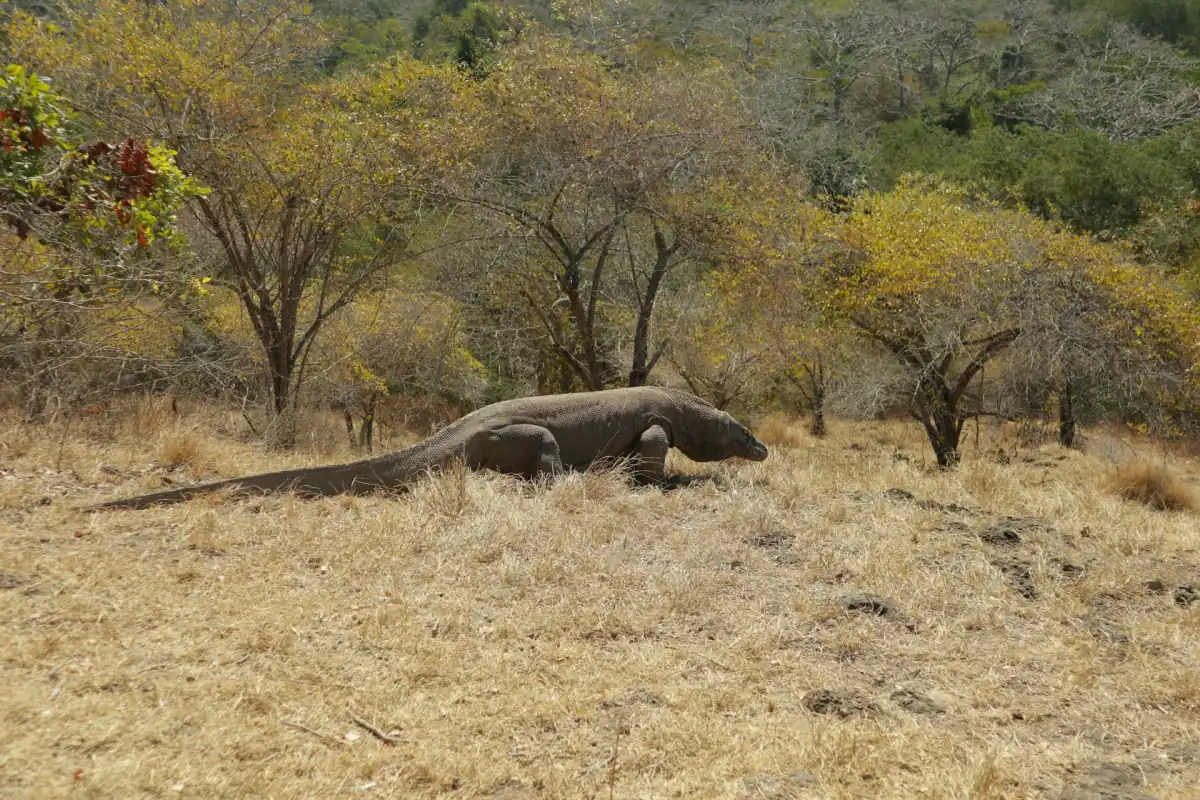
Komodo dragon habitat includes savanna and monsoon forest, alongside the park’s coast and coral reefs. The species also occurs naturally in parts of Flores, so its range extends beyond Komodo Island. Look at the landscape during the guided walk rather than treating the visit as a search for a single photograph. A ranger’s directions take priority over moving closer to an animal.
Guided shore visits for cruise passengers
Komodo cruise shore excursions last two hours and start on the island, at the jetty or the national park ranger office. Neither includes a crossing from Labuan Bajo. Cruise passengers should match the meeting point to their ship’s landing arrangements and allow for the tender process rather than using the published walk duration as their whole time ashore.
The jetty-meeting excursion includes park and ranger fees, SiOra permit application, a lunch box, snacks and electrolyte water. The ranger-office excursion includes park entry, ranger, tour guide and bottled water. Permit application is part of the service, while access still depends on the arrangements for the visit. For a journey with nights aboard, compare Komodo liveaboards instead of booking a shore-only visit.
Distance, paths and behaviour around dragons
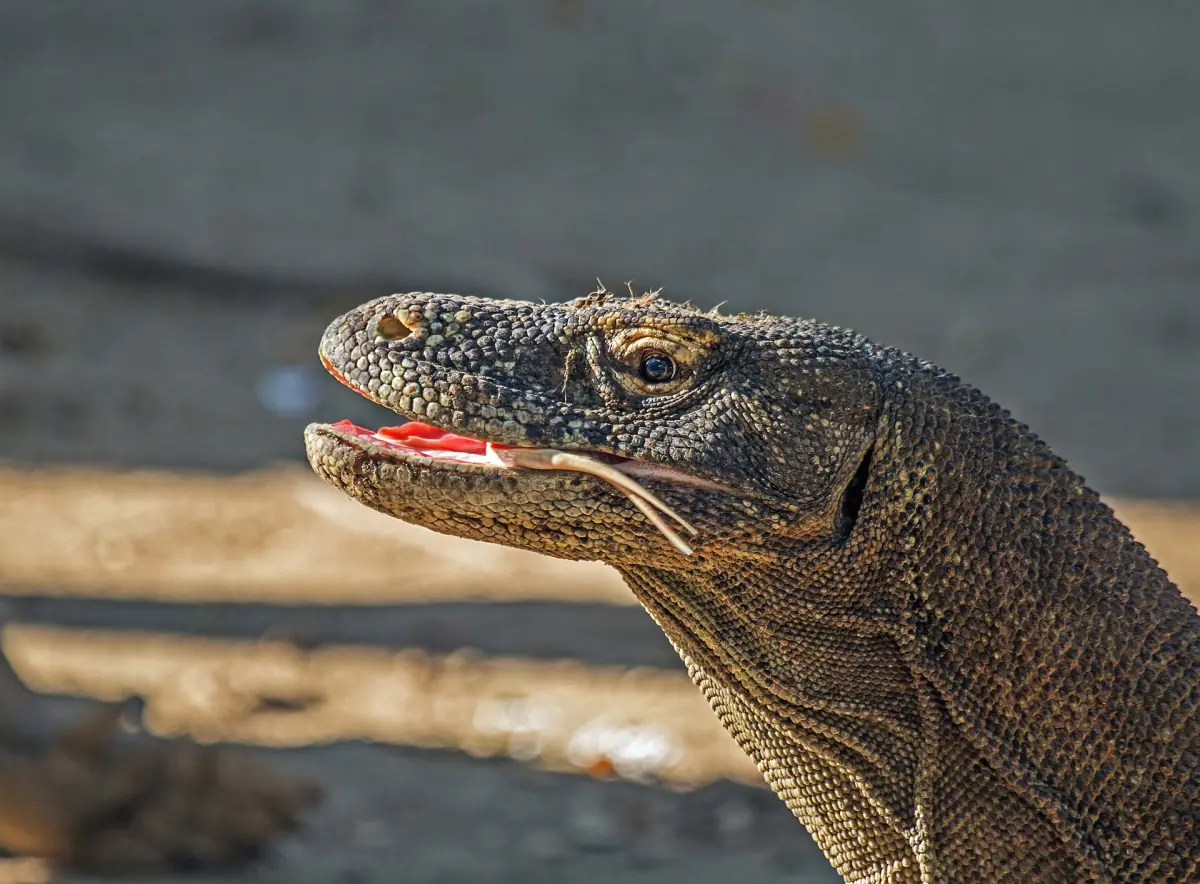
Komodo dragon viewing should take place with a ranger, on the visitor paths and with space between people and animals. Never feed, touch or approach a dragon for a closer picture. Follow instructions about where to stand and when to move; a photograph is secondary to the ranger’s management of the encounter.
Komodo walking visits are wildlife outings rather than a promise of a particular hiking distance. Ask which walking route fits your party and the time ashore. Keep the day’s boat programme separate from the walk itself: a snorkeling stop or beach visit adds another activity with its own conditions. Our tour comparison helps separate a wildlife day, a cabin trip and a private boat.
Population figures and conservation
Komodo National Park had a reported population of 3,270 dragons in 2024, according to park management figures reported in March 2025. That is a dated park-wide figure, rather than a count of animals on Komodo Island today. Use it to understand the conservation setting, not to predict how many dragons a visitor will encounter.
Komodo conservation planning covers habitat, research, education and local communities, with a protection action plan extending to 2035 described by KSDAE in February 2026. Responsible visits keep animals wild and leave decisions about proximity to the ranger. Sightings remain open: neither a longer boat itinerary nor a cruise landing makes a particular animal appear on demand.
Questions about Komodo dragon visits
Should I visit Komodo dragons with a ranger?
Yes, Komodo dragon visits should be made with a ranger while staying on visitor paths and keeping a respectful distance. Follow the ranger’s directions throughout the encounter. Never touch or feed an animal, and avoid moving closer for photographs. The walk is a wildlife observation visit, with sightings dependent on the animals.
Where do the cruise shore excursions start?
Komodo shore excursions start at the island jetty or the national park ranger office, depending on the excursion. Both are two-hour visits for cruise passengers arriving on Komodo. They do not provide a boat crossing from Labuan Bajo, so travellers based on Flores should choose a mainland-departing boat trip.
What should I expect from dragon sightings?
Komodo dragon sightings depend on wild animals and the circumstances of the ranger walk. Treat the visit as guided observation in the animal’s habitat rather than a guaranteed close encounter. Stay with the ranger, accept the viewing position offered and enjoy the surrounding savanna and monsoon forest as part of the experience.